Understanding Your Target Audience: Define and Reach the Right People
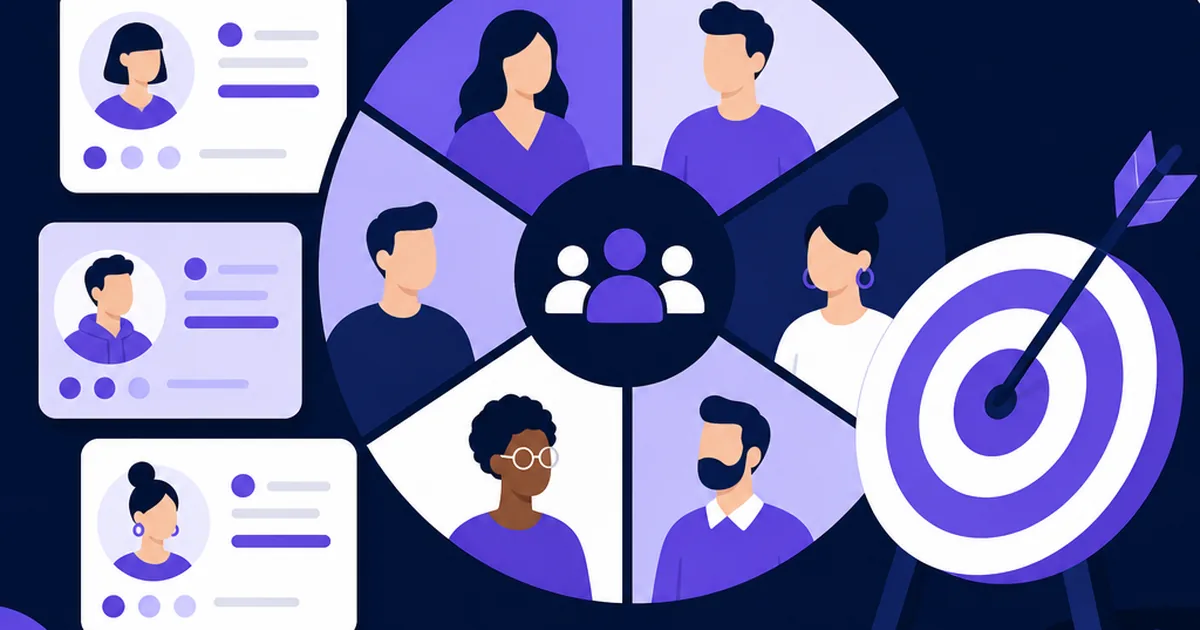
“Our target audience is everyone” is the most expensive sentence in branding. It sounds ambitious; it is actually a refusal to choose, and it guarantees mediocre marketing because a message built to appeal to everyone moves no one. The brands that punch above their weight almost always started by getting uncomfortably specific about who they were for — and, just as importantly, who they were not for. Here is how to do that without guessing.
Why Narrower Is Stronger
Choosing a specific audience feels like leaving money on the table, but the opposite is true. When you know exactly who you serve, every decision gets easier and sharper: the words you use, the channels you pick, the objections you answer, the price you set. A message aimed at a clear person resonates far more than one diluted to offend nobody. You can always expand later — most strong brands grew outward from a beachhead, not inward from “everyone.”
Start With the Customers You Already Have
Before you invent personas, look at reality. Who are your best existing customers — the ones who buy repeatedly, refer others, and complain least? Pull whatever data you have: purchase history, GA4 demographics and interests, the questions that fill your inbox. Patterns emerge quickly. Very often a business discovers its real audience is narrower and different from the one it imagined, and that single realisation reshapes the whole brand.
Research Beyond Your Own Bubble
Your existing customers tell you who you attract; research tells you who you could. Talk to a handful of them — even five honest 20-minute conversations reveal more than a hundred survey rows. Read reviews of competitors to hear the language real buyers use and the frustrations they carry. Free tools help too: Google Trends and the “People also ask” box show what your market is curious about, and keyword tools like Ahrefs or Semrush reveal the exact phrases people type when they have your problem.
Turn Data Into Usable Personas
A persona is not a stock-photo character with a cute name; it is a decision-making tool. Keep it to what changes your marketing: the person’s goal, the problem that brings them to you, the objection that stops them buying, and where they already spend attention. One page, two or three personas maximum. If a detail would not change a headline, a channel choice, or a feature, leave it out. Personas that read like a novel get admired and ignored.
| Keep in a persona | Leave out |
|---|---|
| The job they’re trying to get done | Invented backstory |
| Their main objection to buying | Favourite coffee order |
| Where they pay attention | A stock headshot |
Prioritise, Then Meet Them Where They Are
Most businesses can serve two or three audience segments, but they cannot lead with all of them at once. Rank them by fit and value, and let the top one shape your primary message and channel choices. If your core audience lives on LinkedIn, pour your energy there before spreading thin across five platforms. Defining the audience is only half the work; the payoff comes from consistently showing up in the specific places they already gather, speaking in the language you heard in your research.
What to remember
- “Everyone” is not an audience — specificity makes marketing stronger.
- Start from your best existing customers and the data you already own.
- Five real customer conversations beat a hundred survey rows.
- Build lean, decision-focused personas — two or three, one page each.
- Prioritise segments and concentrate effort where your core audience gathers.
Questions we hear a lot
What’s the difference between a target audience and a buyer persona?
A target audience is the broad group you serve; a persona is a specific, semi-fictional profile representing a key segment of that audience. Personas make an abstract audience concrete enough to design for.
Can a business have more than one target audience?
Yes — most do. The key is to prioritise. Rank segments by fit and value and lead with the most important one rather than trying to speak to all of them equally at once.
How do I find my target audience with no budget?
Use what you have: your existing customer data, GA4, competitor reviews, Google Trends, and a few direct conversations. These free sources reveal who buys and what language they use.
How often should I revisit my audience definition?
Review it at least yearly and whenever you launch a new product or notice your customer base shifting. Audiences evolve, and an outdated definition quietly misdirects your marketing.